
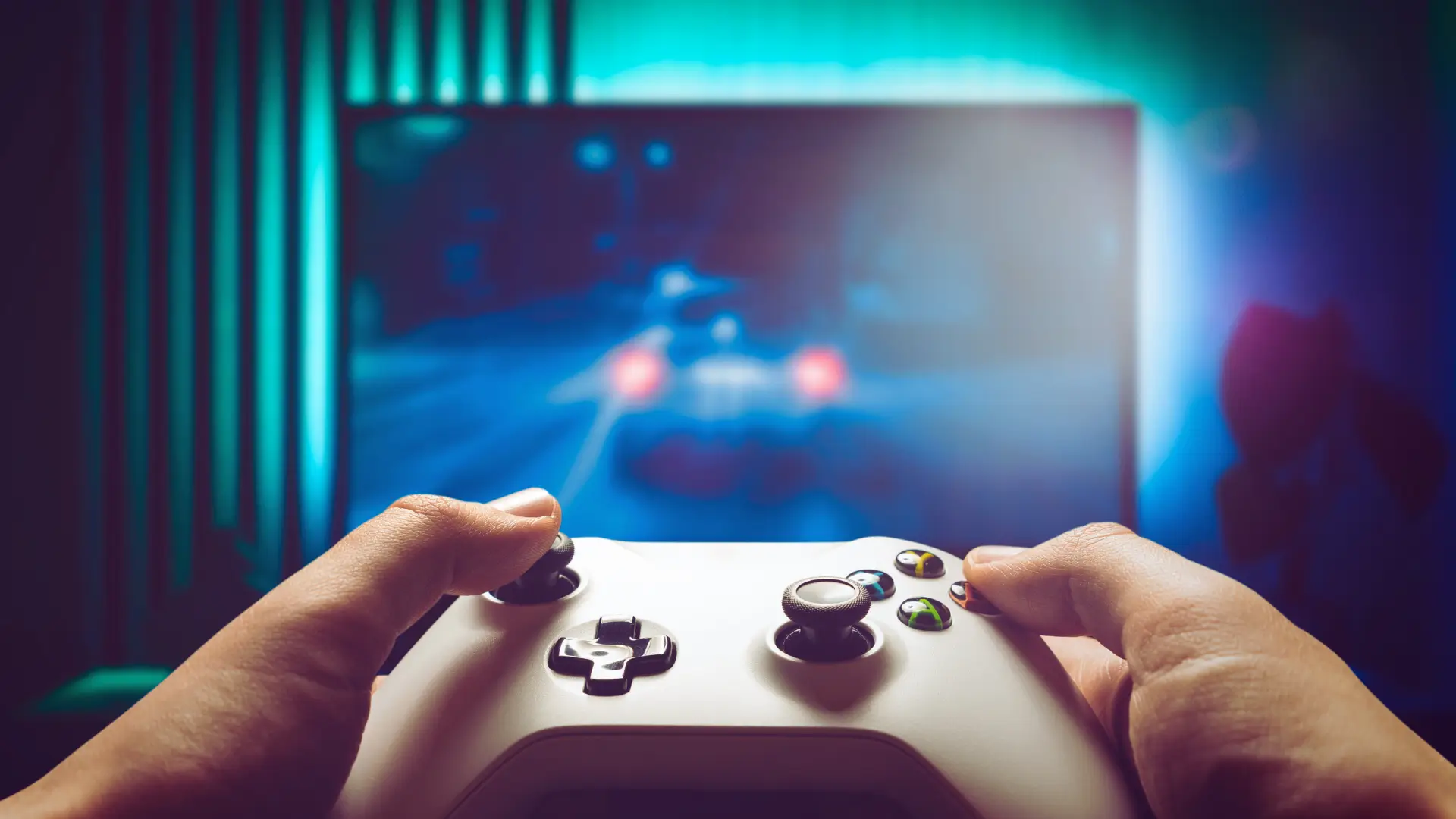
For years, video games have been seen primarily as sources of entertainment—or worse, as distractions that encourage isolation or violence. But emerging research and real-life stories are challenging that narrative, revealing how gaming can actually support mental health in meaningful ways. From stress relief and social connection to skill-building and even therapeutic applications, video games are stepping into the spotlight as unexpected allies in the realm of wellness.
The Science Behind the Screen
Gaming triggers the release of dopamine, a neurotransmitter associated with pleasure and reward. This natural boost can elevate mood and reduce stress in the short term, offering a quick mental “reset” during overwhelming times. But beyond instant gratification, some games also promote deeper cognitive benefits.
Puzzle games like Tetris, strategy games like Civilization, and adventure titles like The Legend of Zelda stimulate problem-solving, memory, and decision-making skills. These mental challenges can serve as a form of “cognitive exercise,” helping players build resilience and sharpen focus—qualities that are particularly helpful for people dealing with anxiety or depression.
Escapism or Emotional Regulation?
Critics often argue that gaming is a form of escapism, but it’s important to distinguish unhealthy avoidance from therapeutic disengagement. For many people, diving into a virtual world provides a safe space to momentarily step away from real-life stressors, which can offer the breathing room needed to process emotions more clearly later on.
Games like Animal Crossing: New Horizons, which gained immense popularity during the COVID-19 lockdowns, are a prime example. With its peaceful environment, friendly characters, and simple tasks, it provided players with a sense of control and calm at a time when the world felt anything but. This kind of immersive experience can help regulate emotions, promote relaxation, and offer a comforting routine.
Social Connection in Digital Worlds
Contrary to the stereotype of gamers as loners, many modern games are deeply social experiences. Multiplayer titles like Minecraft, Fortnite, or Among Us connect players across the globe, allowing them to collaborate, compete, and communicate in real-time.
For individuals struggling with loneliness, anxiety, or social anxiety, these digital communities can be lifelines. Online gaming can offer a low-pressure space to interact with others, build friendships, and even find support networks. Research suggests that meaningful online relationships—when balanced with offline life—can be just as beneficial as those formed face-to-face.
Games Designed for Good
The rise of “serious games”—those designed with a purpose beyond entertainment—has added a new dimension to how gaming supports mental health. Titles like Celeste tackle themes of anxiety and self-doubt directly through gameplay, offering a metaphorical journey that mirrors real-life emotional struggles. Similarly, Kind Words (lo fi chill beats to write to) lets players send and receive anonymous, encouraging messages in a soothing environment, promoting empathy and kindness.
Therapists and counselors are also starting to incorporate video games into their sessions. Some use commercial games to help clients explore emotions or develop coping strategies, while others turn to virtual reality (VR) environments for exposure therapy or relaxation training. This fusion of psychology and gaming is opening new doors in mental health care.
Setting Boundaries for Healthy Play
Of course, like any tool, gaming must be used mindfully. Excessive screen time, poor sleep, and neglect of real-world responsibilities can tip the scale from helpful to harmful. It’s crucial to strike a balance—one that maximizes the benefits of gaming while minimizing its potential downsides.
Here are a few tips for maintaining a healthy gaming routine:
- Set time limits to avoid overuse and maintain a balanced lifestyle.
- Choose games that match your emotional needs—calming titles for relaxation, social games for connection, or challenging ones for mental stimulation.
- Pay attention to your emotions during and after playing. If a game leaves you feeling more anxious or frustrated, it may not be the right fit.
- Take breaks and integrate other wellness practices like exercise, mindfulness, or journaling.
The Future of Gaming and Mental Health
As our understanding of mental health evolves, so too does the role of technology in supporting it. Developers are increasingly mindful of how game mechanics and storytelling can influence emotional well-being. At the same time, mental health professionals are recognizing the value of meeting clients where they are—often, on a console or PC.
The stigma surrounding gaming is slowly giving way to a more nuanced view: one that acknowledges its potential to entertain, connect, and even heal. Whether it’s through immersive worlds, shared adventures, or quiet moments of reflection, gaming offers something rare in our fast-paced world—a chance to pause, engage, and recharge.
In a time when mental health challenges are on the rise, video games are proving to be more than just play. They’re becoming pathways—from console to calm.