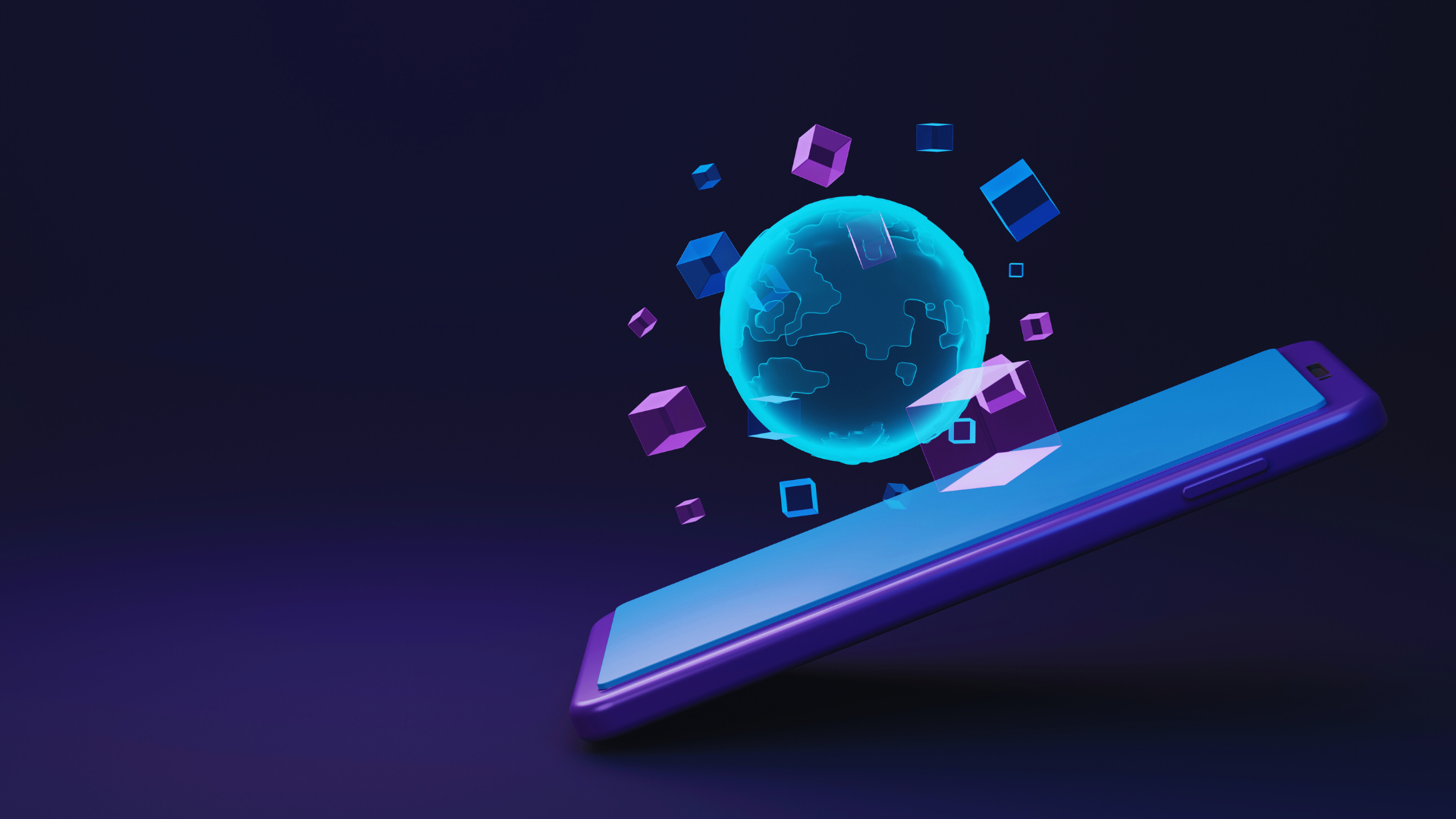
The metaverse represents a new digital frontier where virtual environments blend seamlessly with real-life experiences. It can be understood as an expansive online space that incorporates augmented reality (AR), virtual reality (VR), and the internet, allowing users to interact with one another and the digital world in real-time. As technology advances, the potential applications of the metaverse span entertainment, education, and commerce, drawing in a diverse audience eager to explore its possibilities.
In simple terms, the metaverse is like an immersive 3D version of the internet, where people can create, share, and engage in various activities. It fosters a sense of presence and social interaction that traditional online platforms cannot replicate. Users can personalise their avatars, attend virtual events, and even develop digital assets, making it a dynamic environment for creativity and connection.
Understanding the metaverse opens up a realm of opportunities and challenges. As it evolves, individuals and businesses alike must navigate its complexities while considering the implications for privacy, security, and digital ownership. Interest in this topic continues to grow, making it essential to grasp what the metaverse truly entails.
What Is the Metaverse?
The metaverse represents a collective virtual space, merging elements from the digital and physical worlds. It encompasses various environments and experiences, characterised by interactive, persistent 3D virtual worlds where users engage through digital identities known as avatars.
Core Concepts and Definitions
At its core, the metaverse is an interconnected network of virtual worlds and environments that allow users to create, explore, and interact. These environments are persistent, meaning they continue to exist and evolve even when users log off. Key terms include virtual reality (VR), which immerses users in computer-generated environments, and augmented reality (AR), which overlays digital content onto the real world.
Users navigate these spaces through avatars, digital representations that can be customised to reflect personal identities. The metaverse promotes social interaction, commerce, and gaming within these shared environments, making it a multifaceted digital ecosystem.
How Virtual Worlds and Avatars Work
Virtual worlds in the metaverse are built using immersive technologies and host countless interactive experiences. These environments can range from gaming universes to virtual marketplaces, offering users diverse activities. Users create avatars to represent themselves, engaging in various interactions, such as socialising, trading, and participating in events.
Avatars can possess unique characteristics and skills, enhancing personal expression. The design process involves customisation options, allowing users to modify their appearance and functionalities. This level of personalisation helps forge connections among users and deepens their engagement within the metaverse.
The Role of Immersive Technologies
Immersive technologies like VR and AR are crucial to the metaverse’s functionality. Virtual reality offers an all-encompassing experience through headsets that simulate a three-dimensional environment. Users enter these virtual realms, often requiring upgrades in graphics and motion tracking for realism.
Augmented reality, in contrast, enhances the existing physical world by embedding digital information. This can include visual data or interactive features, making everyday activities more engaging. Both technologies aim to create seamless interfaces, ensuring that users can transition effortlessly between virtual and real-world experiences. As these technologies advance, the metaverse’s potential expands, influencing various sectors.
Key Technologies Behind the Metaverse
The metaverse is underpinned by several key technologies that drive its development and user engagement. These technologies include virtual and augmented reality devices, blockchain and cryptocurrencies, as well as interoperability frameworks and Web3 principles. Understanding these components is essential for grasping how the metaverse operates.
Virtual Reality and Augmented Reality Devices
Virtual Reality (VR) and Augmented Reality (AR) devices are fundamental to creating immersive experiences in the metaverse. VR headsets, such as the Oculus Quest and HTC Vive, allow users to enter fully digital environments. These devices track user movements and provide haptic feedback, enhancing the sense of presence.
AR technologies, like Microsoft’s HoloLens, overlay digital content onto the real world. This integration provides unique interaction opportunities, blending physical and virtual elements. Together, VR and AR expand user creativity and social interactions in the metaverse, enabling applications in gaming, education, and training.
Blockchain Technology and Cryptocurrencies
Blockchain technology ensures transparency and security within the metaverse. It enables decentralised ownership, making it possible for users to buy, sell, and trade digital assets. Blockchain’s immutable ledger also helps verify the authenticity and provenance of assets, crucial for collectibles and virtual real estate.
Cryptocurrencies play a vital role in the metaverse economy. Digital currencies like Ethereum allow for seamless transactions between users, simplifying the purchase of goods and services. Moreover, blockchain supports Non-Fungible Tokens (NFTs), which represent unique digital items. NFTs have revolutionised ownership within the metaverse, creating new opportunities for creators and users alike.
Interoperability and User-Generated Content
Interoperability is key for a cohesive metaverse experience. It refers to the ability of different platforms and applications to work together seamlessly. This connectivity allows users to travel across virtual spaces without losing their identity or digital assets.
User-generated content (UGC) is vital for a rich metaverse environment. Platforms like Roblox and Minecraft encourage users to create and share their own experiences. This leads to an ever-expanding universe, driven by user imagination and creativity, making the metaverse dynamic and engaging. By fostering UGC, the metaverse evolves rapidly, reflecting the interests and innovations of its community.
Web3 and Digital Asset Ownership
Web3 represents a new era of the internet, centred on decentralisation and user control. It empowers users to own their data and digital possessions fully. In the metaverse, this reflects in how individuals manage their digital identities and transactions.
Digital asset ownership is crucial in the metaverse landscape. Users can possess assets ranging from virtual real estate to unique digital collectibles, all secured through blockchain technology. This ownership paradigm shifts value creation away from centralised entities to individual users, fostering a more equitable digital economy driven by participation and creativity.
How People Use the Metaverse Today
The metaverse is transforming how individuals connect, play, and engage in commerce. Users create digital identities and explore virtual realms. This section will discuss how social interactions, gaming, and digital commerce are evolving within these online environments.
Social Interaction and Digital Identities
In the metaverse, social interaction occurs through avatars, which represent users in virtual spaces. These avatars allow people to engage with others in a way that mirrors real-life social dynamics. Platforms like social media integrate with metaverse elements, enabling users to share experiences and build communities.
Users often personalise their avatars with unique digital clothing and accessories, reflecting individual style and identity. This layer of customisation enhances self-expression and encourages deeper connections among users. Virtual concerts and events provide additional opportunities for social engagement, drawing large crowds and fostering community spirit.
Gaming and Virtual Experiences
Gaming is a primary attraction within the metaverse. Platforms like Roblox and Fortnite enable users to participate in immersive experiences, where they can explore vast virtual worlds. These games often incorporate social elements, allowing players to interact while completing challenges or attending events.
Epic Games continually expands its offerings, creating environments where users can not only play but also socialise. Virtual experiences, such as concerts and exclusive in-game events, attract millions, turning entertainment into communal engagements. The combination of gaming and social interaction creates dynamic environments that keep players engaged.
Digital Commerce and NFTs
The metaverse is also a burgeoning marketplace for digital assets. Users are increasingly trading NFTs (non-fungible tokens), which represent ownership of unique digital items, including artwork and collectibles. This new form of commerce creates opportunities for artists and creators to monetise their work in innovative ways.
Digital clothing for avatars is gaining popularity, as users seek to outfit their online personas with fashionable items. This trend overlaps with e-commerce, where brands explore ways to integrate virtual products into their marketing strategies, blurring the lines between digital and physical shopping experiences.
Future Trends and Challenges of the Metaverse
The metaverse is evolving rapidly, presenting numerous opportunities and challenges. Key players are investing heavily, while innovative technologies like digital twins are gaining traction, particularly among Gen Z. Understanding these trends is essential for navigating the future landscape.
Major Companies and Industry Leaders
Several major companies are at the forefront of metaverse development. Meta (formerly Facebook) is heavily focused on creating immersive social experiences. Their vision emphasises community-building through virtual spaces.
Microsoft is integrating the metaverse with productivity tools like Microsoft Teams, leveraging its cloud infrastructure to create collaborative environments.
Google continues innovating in augmented reality (AR), with a focus on enhancing real-world interactions. Other significant contributors include Unity, known for its game development platform, which facilitates metaverse experiences that are engaging and interactive. These companies share the ambition to make the metaverse accessible and impactful across various sectors.
Digital Twins and Real-World Applications
Digital twins are digital replicas of physical entities, enabling real-time data analysis and simulations. Their application in industries such as healthcare, manufacturing, and urban planning is expanding.
For example, cities are using digital twins to improve infrastructure and resource management. This technology allows for predictive maintenance and better decision-making.
In healthcare, digital twins of patients help in personalised medicine and monitoring. As this technology matures, its integration into the metaverse will provide even more dynamic and interactive real-world applications. The synergy between the metaverse and digital twins promises efficiency and innovation across different sectors.
Opportunities and Considerations for Gen Z
Gen Z is a digitally native generation that views the metaverse as a natural extension of their social and professional interactions. They are likely to shape content creation, consumer behaviour, and digital engagement. This generation values authenticity and community, pushing companies to create meaningful experiences within the metaverse.
However, challenges exist, including privacy concerns and the need for robust digital literacy. As experts emphasise, addressing these considerations is crucial to harnessing the full potential of the metaverse for Gen Z. Actions taken now will influence how this generation interacts with the evolving digital landscape for years to come.
Leave a Reply